Coliving Conference 2025 – Barcelona
My reflection on this year’s Coliving Conference – exploring global models, building connections, and inspiring community.
The Coliving Conference 2025 in Barcelona proved once again why this annual gathering has become a cornerstone for innovators and thought leaders shaping the future of shared living. This year’s edition combined inspiring site visits, global insights, and genuine connection in a close-knit, collaborative environment that reflected the very essence of co-living itself.
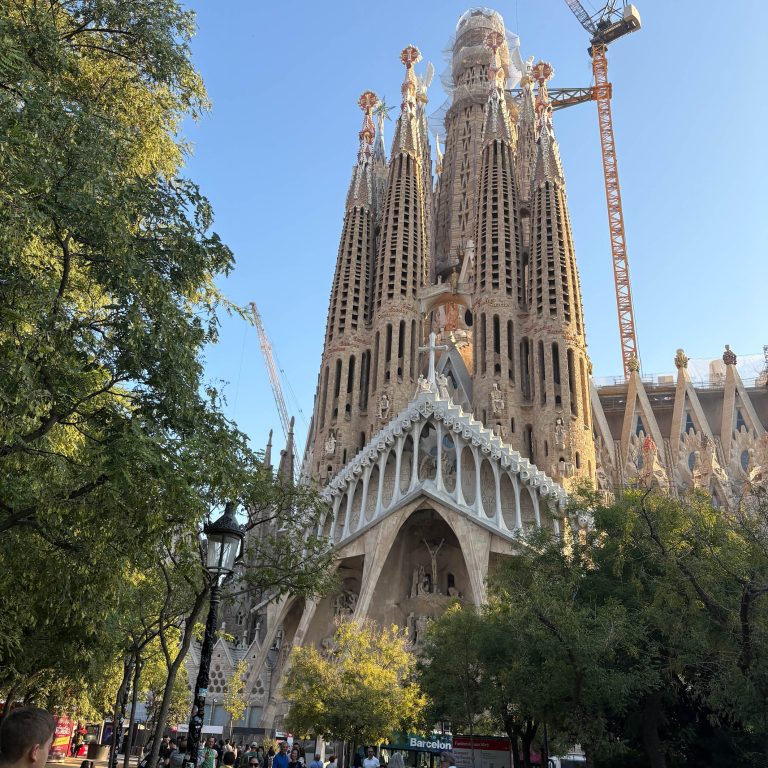
Site visits: real-world inspiration
The conference opened with a series of site visits to Attico, La Fábrica, and The Social Hub – each offering a unique lens on how shared spaces can foster creativity, community, and sustainability.
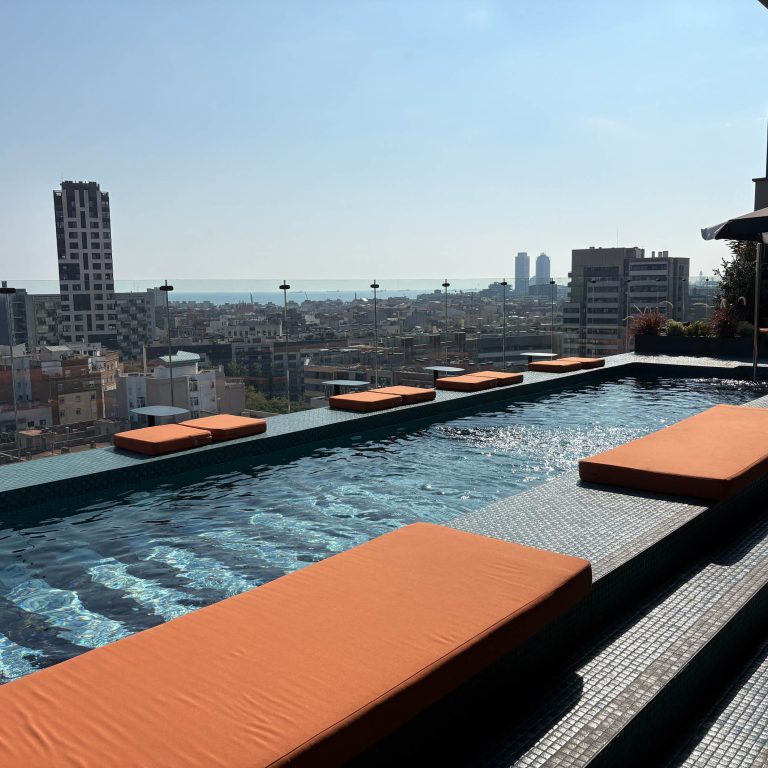
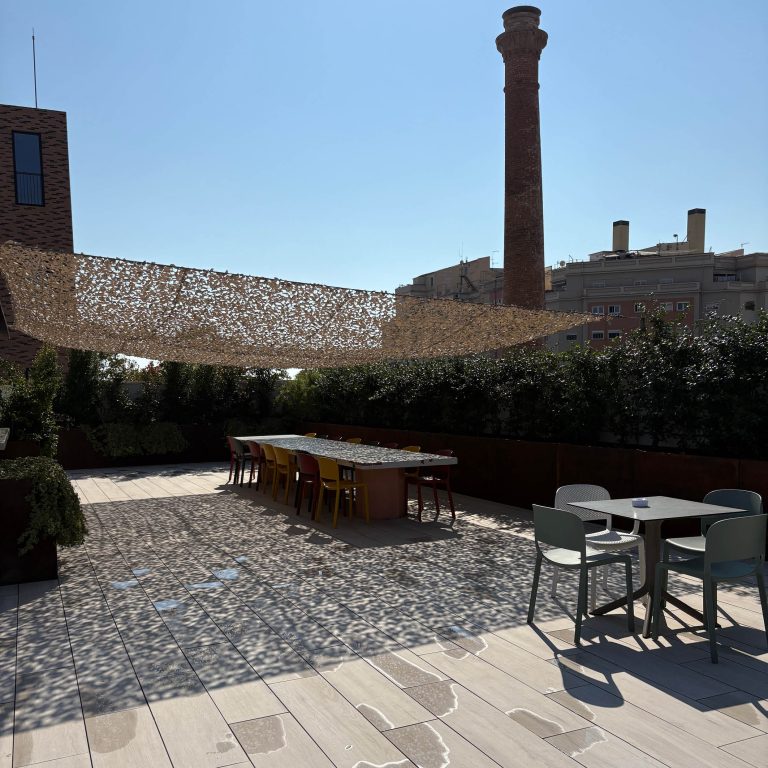
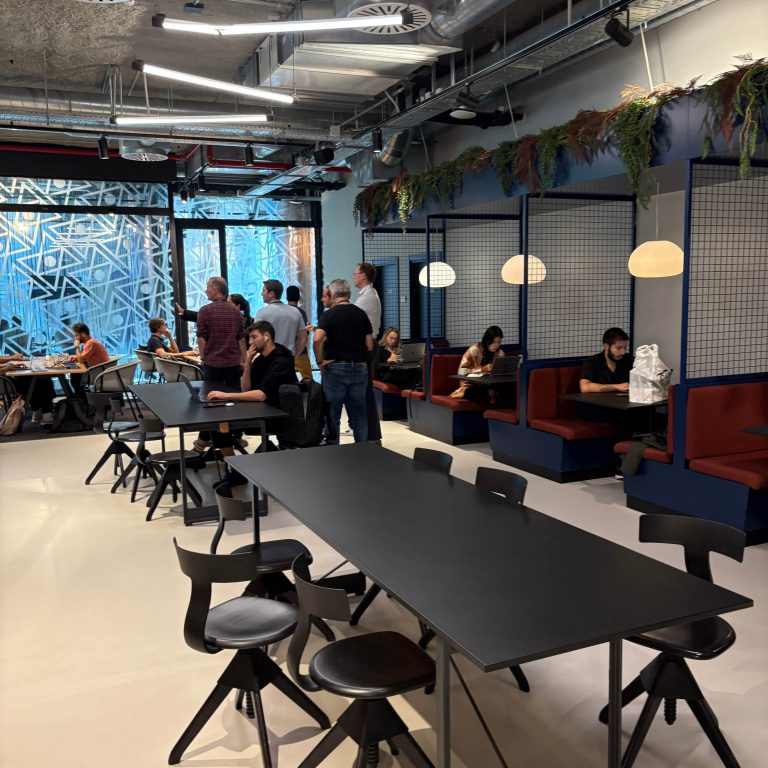
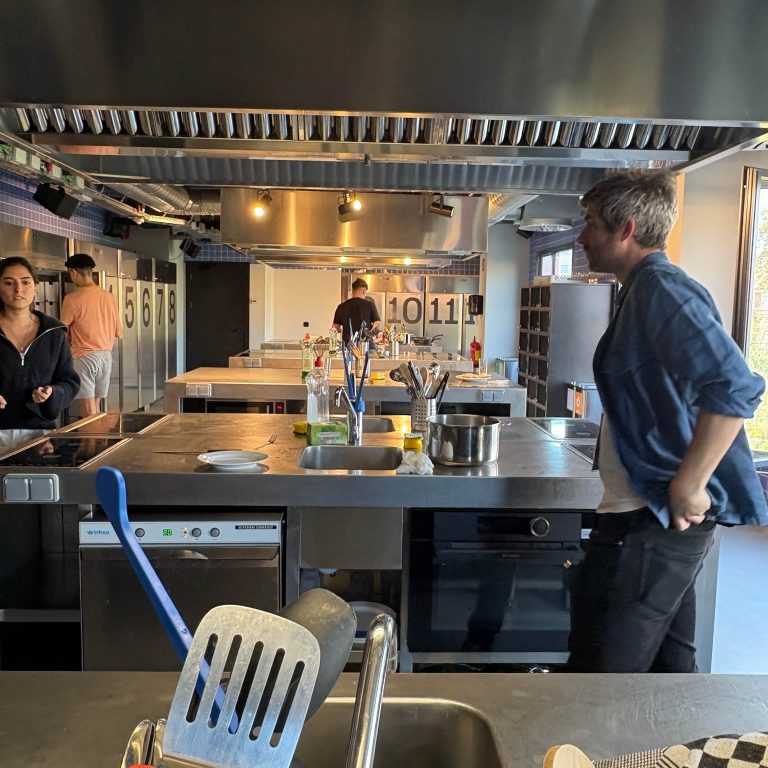
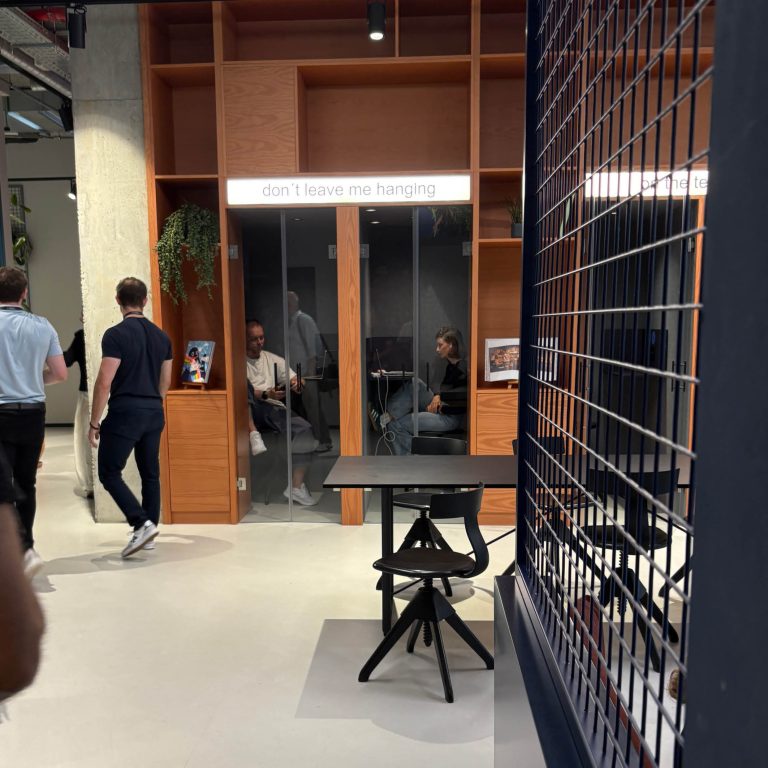
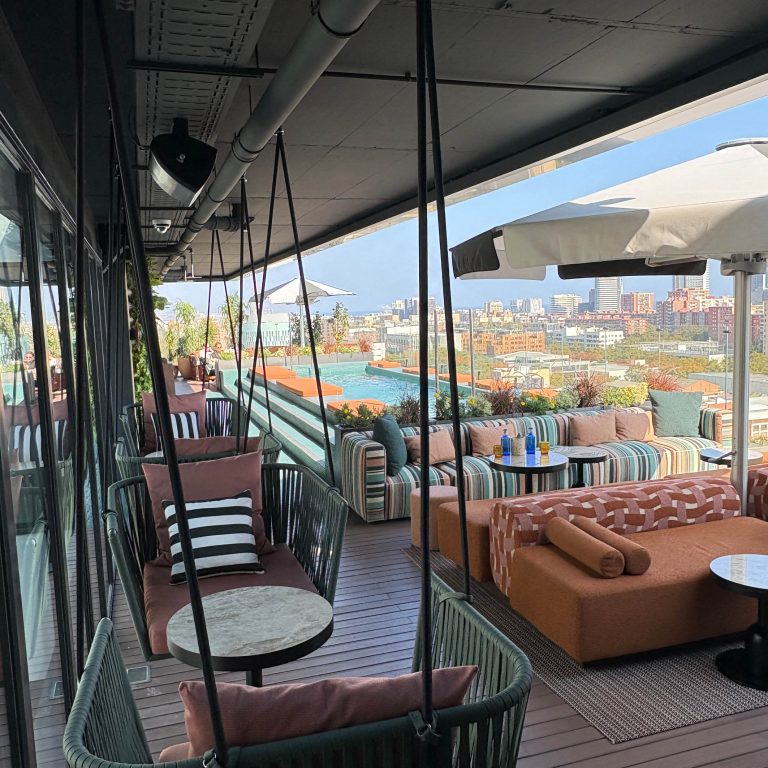
The Social Hub stood out as a benchmark for mixed-use vibrancy. The visit revealed an integrated ecosystem where hotel guests, students, digital nomads, and local entrepreneurs coexist seamlessly. The building buzzed with energy; the co-working area was full to capacity, the restaurant offered an excellent lunch experience, and the rooftop bar and pool felt like a destination in their own right. The optimism of attendees, the creativity of the projects shared, and the sense of common purpose all underscored that co-living is not just necessary, but essential to meet the demands of an evolving human need.
The main conference: intimate scale, global scope
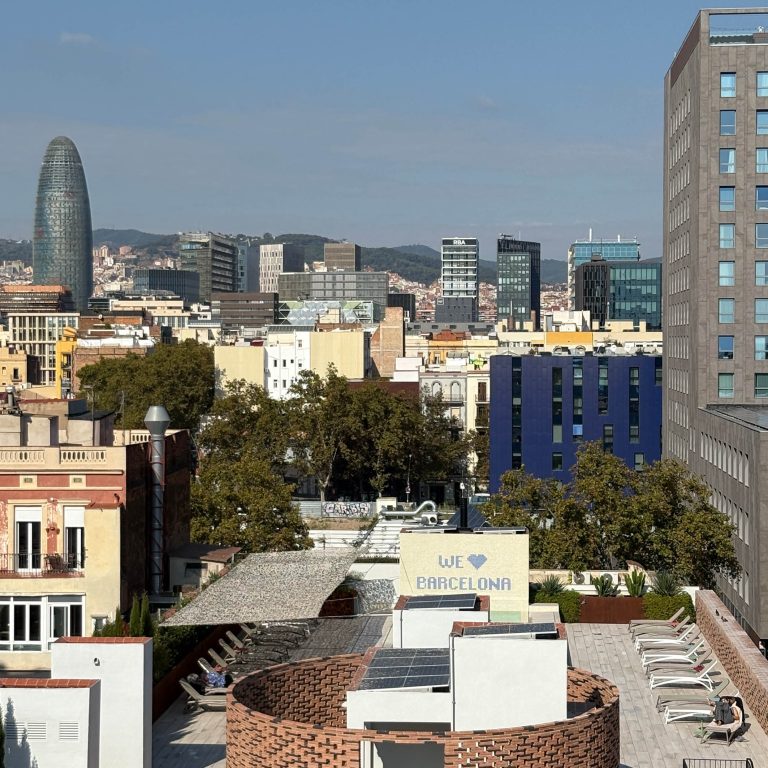
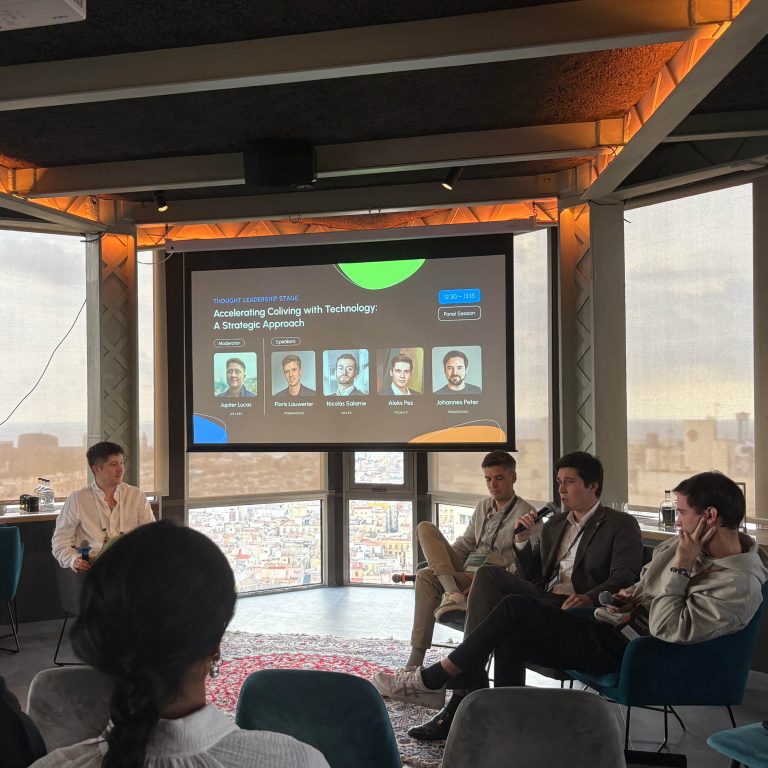
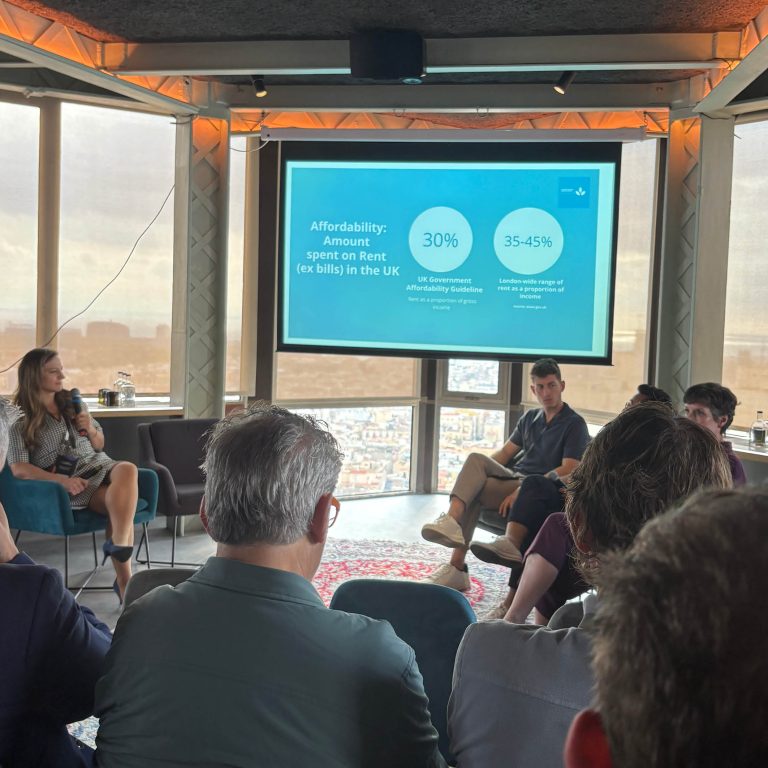
Held at the 19th Hole events space, the main conference offered spectacular panoramic views over Barcelona – a setting that fostered an inspiring and collaborative atmosphere from the get-go.
Despite its global reach, the event itself was surprisingly intimate, with around 200 attendees. This smaller scale was a distinct advantage, encouraging genuine dialogue and deeper engagement. Interestingly, there were very few architects in attendance, which made our presence stand out and positioned us as experienced contributors within the broader community of operators, investors, and developers.
To make the most of the packed agenda, Tim and I adopted a “divide and conquer” approach, attending different sessions to cover the widest possible range of topics and perspectives. The discussions spanned from operational models to financing, design, community engagement, and sustainability.
Global diversity and models of co-living
One of the greatest strengths of this year’s conference was the sheer diversity of perspectives represented. Attendees came from across the world – Canada, South Korea, the U.S., Australia, and throughout Europe – each bringing distinctive perspectives to shared living.
It is easy to think of the UK’s definition of co-living as globally applicable, but it is clear there is no “one size fits all”, especially when looking outside the institutional investment portfolios. The range of projects and philosophies on display illustrated the adaptability of the concept to local cultures and needs. Highlights included:
- Nomadic co-living in French châteaux (Chateaux Coliving by Katia Dimova), a creative blend of heritage, hospitality, and mobility targeted at digital nomads
- Danish co-living models (Plushusene), redefining serviced, community-based living for all ages
- Communal living in South Korea, emphasising shared values and intergenerational connection
- Adaptive reuse projects in Canada (Toboggan), transforming vacant office buildings into affordable co-living communities
- Sustainability-driven developments in Germany, with POHA House presenting their pioneering “cradle-to-cradle” building – an inspiring example of circular construction principles applied to shared housing
This global exchange of ideas reinforced the notion that co-living is not a singular product but an evolving, human-centered movement responsive to different social and environmental contexts and affordability demands.

Building relationships and community
The conference excelled not just in content but in connection. Its smaller scale encouraged organic discussions and genuine collaboration opportunities. Over the course of the event, we were able to strengthen existing relationships and forge several new ones that will likely lead to future partnerships.
Notable connections included members from FIKA, POHA House, Chateaux Coliving, ResHarmonics, StudioMulti, BoConcept, Udda Swedish Coliving, Toboggan, Allsop and Vervelife.
These interactions showcased the collaborative, cross-disciplinary nature of the co-living sector – where architects, operators, designers, and investors work side by side to create communities that are both socially and economically sustainable.
Reflections and Takeaways
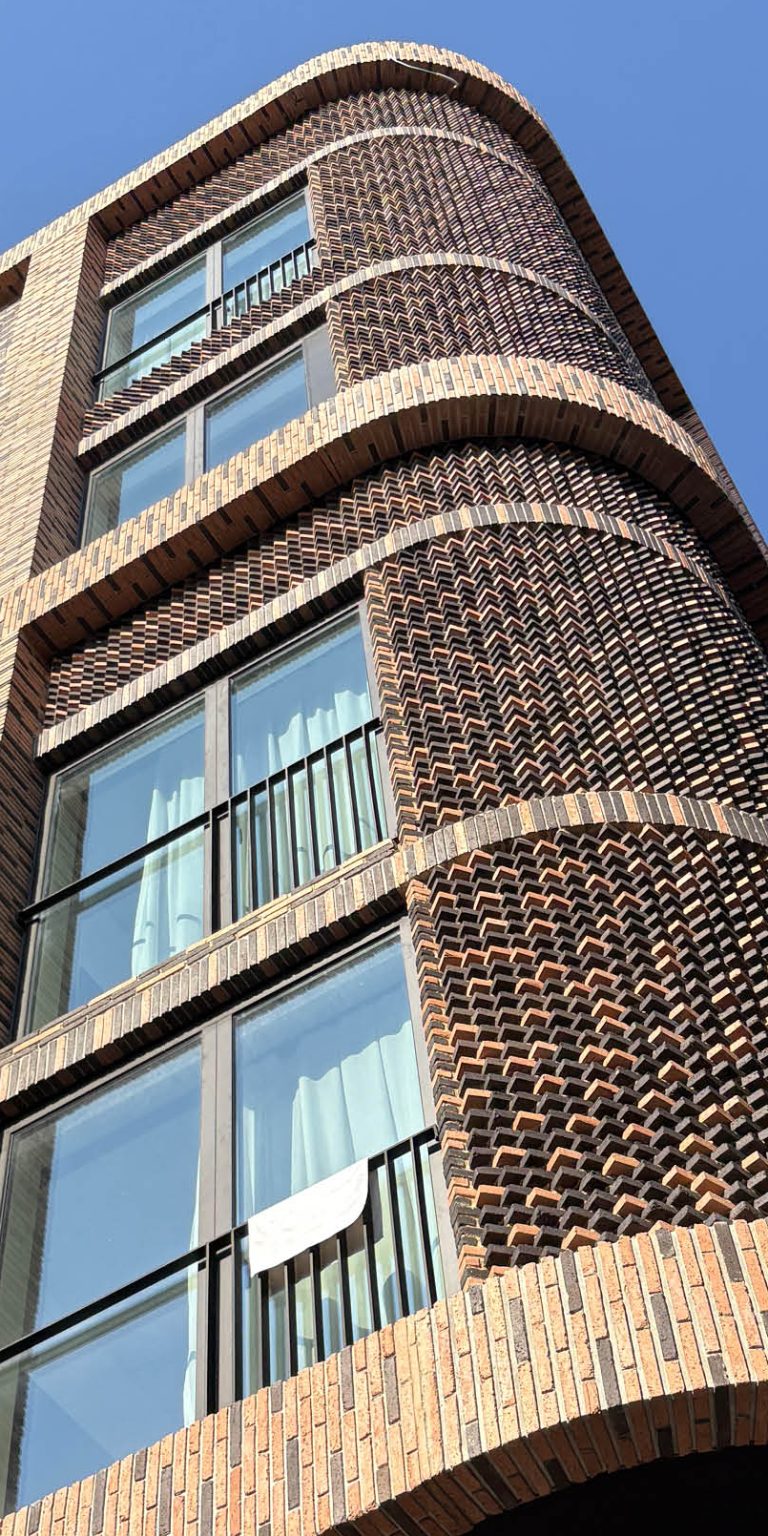
Leaving Barcelona, the overarching message was clear: co-living continues to mature as a global movement. The optimism of attendees, the creativity of the projects shared, and the sense of common purpose all underscored that coliving is not just about shared space – it’s about shared values.
It is also clear the UK is looked on with envy in its current ability to access institutional investment into the sector with only Spain emerging in the same vain. The brilliant work of the recent Coliving Campaign to educate governmental departments, the GLA’s guidance and the number of operational schemes has given the market greater confidence domestically, which only looks likely to grow.
As the sector continues to evolve, the takeaways from Barcelona will undoubtedly inform future work – reminding us that innovation in co-living depends not just on design or finance, but on community, empathy, and openness to new ideas.

If you are interested in discussing opportunities with us for your first or next co-living project, please get in touch with Ed or Tim: