UKREiiF 2026 – reflections
Emily Newton, Director at Assael, shares her reflections from her first UKREiiF experience.
Now in its fifth year, UKREiiF has established itself as one of the UK’s leading events for connecting people in the property industry. With a massive 16,000 delegates attending in 2026, this year’s event provided a fantastic opportunity to connect, share insight and better understand the evolving landscape of the industry.
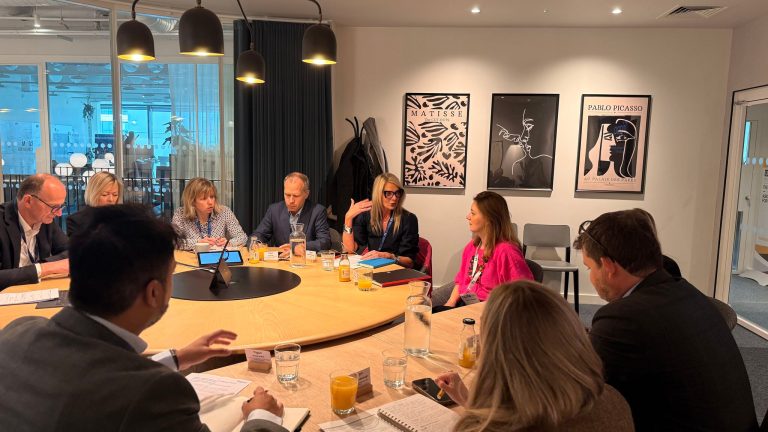
As a first-time attendee, it was a chance to experience the scale and energy of the event firsthand – which I have to say was a bit overwhelming to begin with!
After arriving in Leeds on Monday evening, to accommodation comically named “The Tomb” on Cemetery road, the week quickly got underway from that evening onwards, setting the tone for three busy days of conversations, meetings and new connections.


Key market insights
Across the week, conversations consistently highlighted a challenging market environment. Viability continues to be under pressure, with many pointing to constrained private funding and ongoing uncertainty across the development pipeline. There was also a clear acknowledgement of the difficulties facing contractors, adding further complexity to delivery.
However, despite the difficulties, there was a strong sense that the market is adapting. Public / grant funding and joint venture structures are expected to play an increasingly significant role in unlocking schemes, with collaboration between public and private partners becoming ever more critical to driving projects forward.
There is also growing opportunity in working more closely with contractor-led development arms, as organisations expand their role beyond delivery into investment and partnership. In parallel, regional growth markets, including Scotland and the south-west, are presenting exciting prospects, and enthusiasm for investment, with several upcoming sites and inward investment initiatives generating renewed interest.
Connecting across the sector
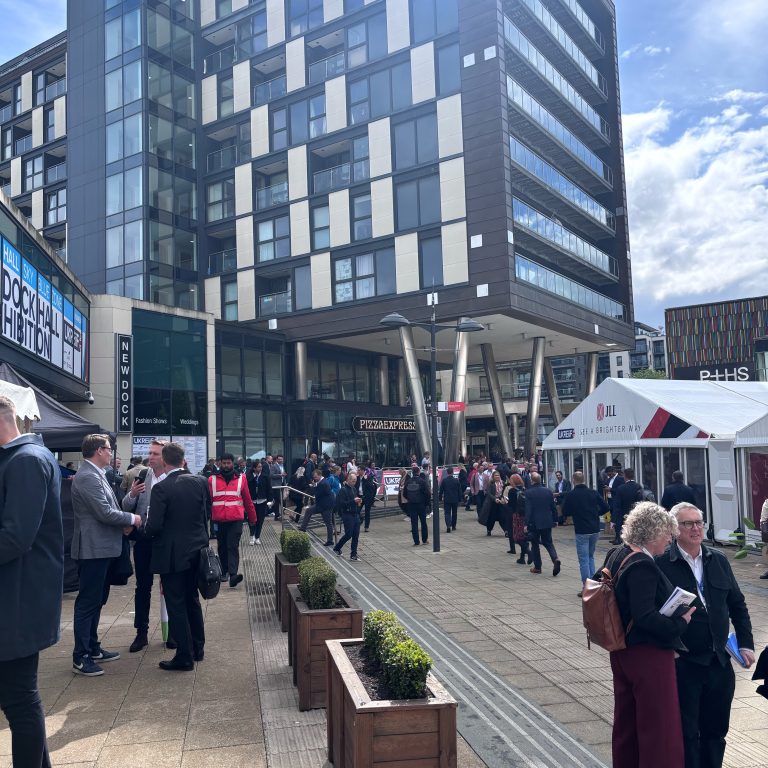
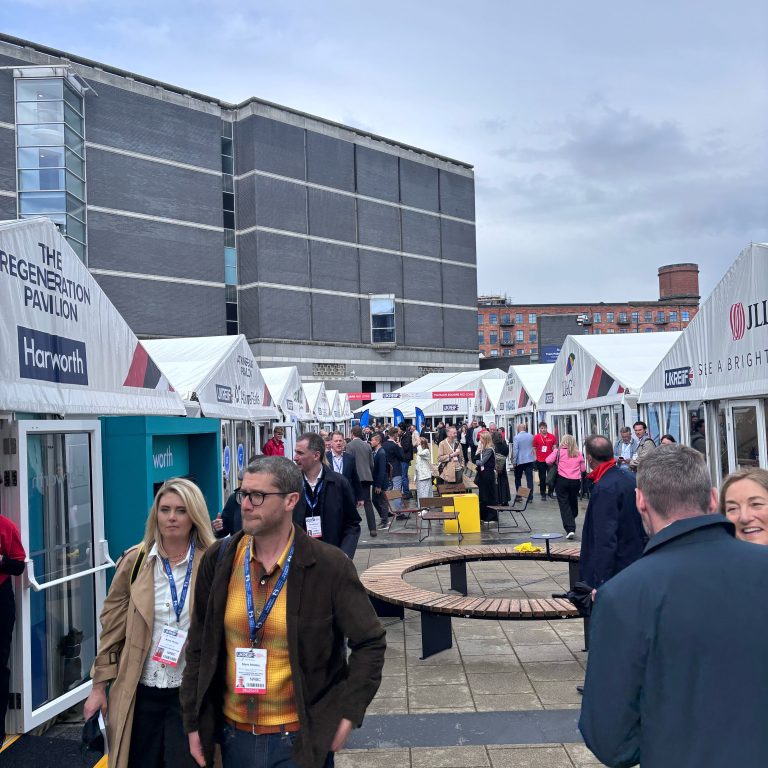
One of the most valuable aspects of the week was the breadth of conversations across developers, investors, contractors, planners and public sector organisations and the energy for getting things going. UKREiiF is great at providing a platform for strengthening existing relationships while establishing new connections across the industry, which felt a bit like speed dating for professionals.
These interactions reinforced the importance of working as a team in every respect in the current climate. There was a shared understanding that unlocking delivery will rely on closer alignment between all parts of the sector, and the local and national government too.
Roundtable discussions
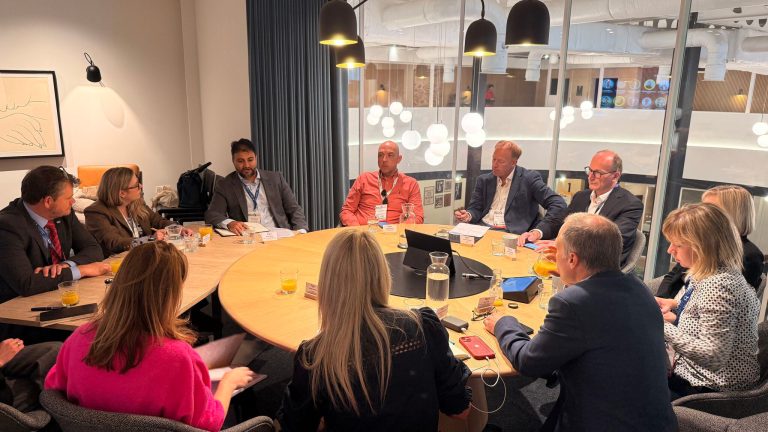
Alongside meetings and events throughout the week, I had the opportunity to contribute to a roundtable hosted by Trigon DM, exploring the topic “Why is deregulation a dirty word?”
The discussion highlighted a number of shared challenges across the industry, from viability pressures and planning delays to the complexity of Section 106 agreements and increasing regulatory requirements. There was clear agreement that a more streamlined and collaborative approach is needed if we are to accelerate delivery at scale, as well as discussions around London learning some lessons from its regional counterparts. Positive noises are coming in the form of an upcoming slimmed down London Plan to be adopted in 2028 to boost house building…
Key takeaways
While the market continues to face challenges, particularly around viability and access to private funding, the overall sentiment was that there is a way forward.
- Public sector-backed / grant funded projects are likely to play a greater role in driving delivery
- Joint ventures and collaborative models are becoming increasingly important
- Contractors are stepping into broader development and investment roles
- Co-living is still being discussed as a development model for unlocking sites
- The regions are doing things right with clear guidance and encouraging investment
Overall, while the landscape remains tricky, the breadth of conversations at UKREiiF reinforced that opportunities continue to emerge across the sector but architects may need to adapt to ensure they are best placed for future work.